Still imagining your future? See how far biomedical engineering can take you
The Department of Bioinformatics and Medical Engineering at Asia University is the only department in Taiwan offering a complete bioinformatics and medical engineering education spanning the bachelor's, master's, executive master's (in-service), and doctoral programs. If you're interested in biology, medicine, engineering, or programming, this is where you can turn your curiosity into professional ability. Below we've compiled everything you most want to know — our program highlights, admission pathways, curriculum planning, career paths, and frequently asked questions — to help you get to know us quickly.
Choosing a department also means choosing a university the world can see
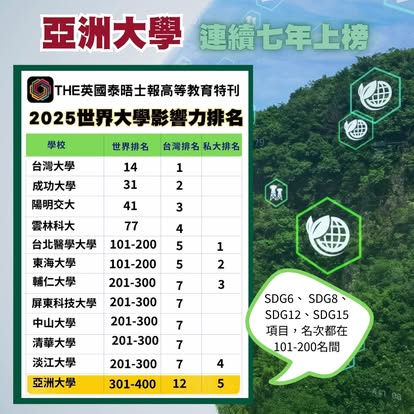
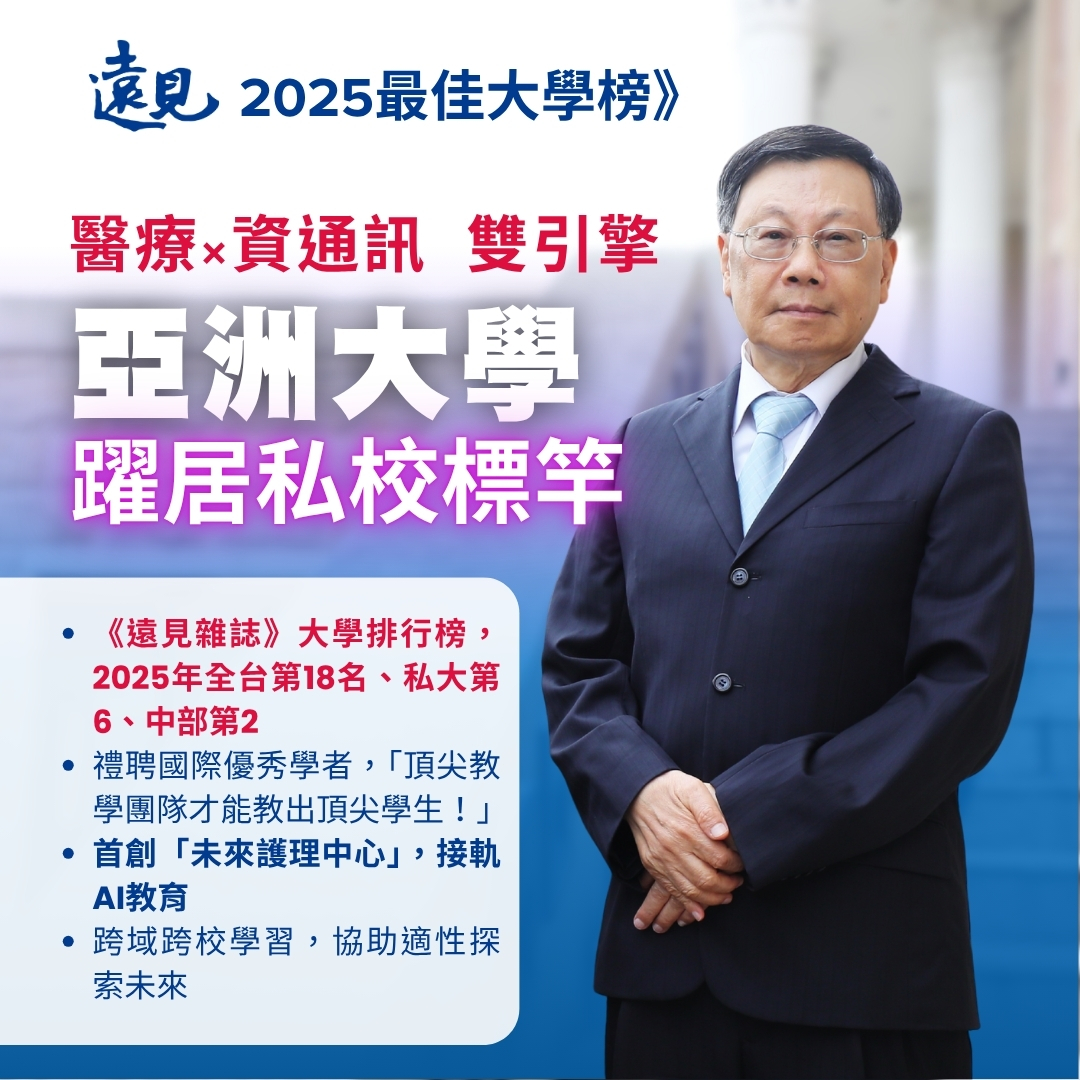
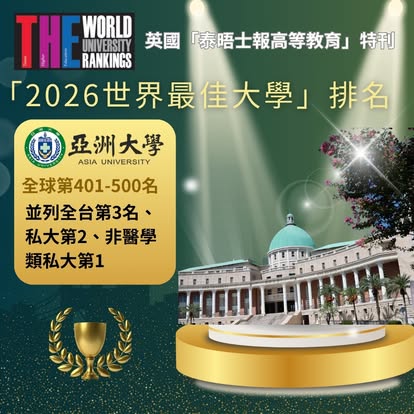
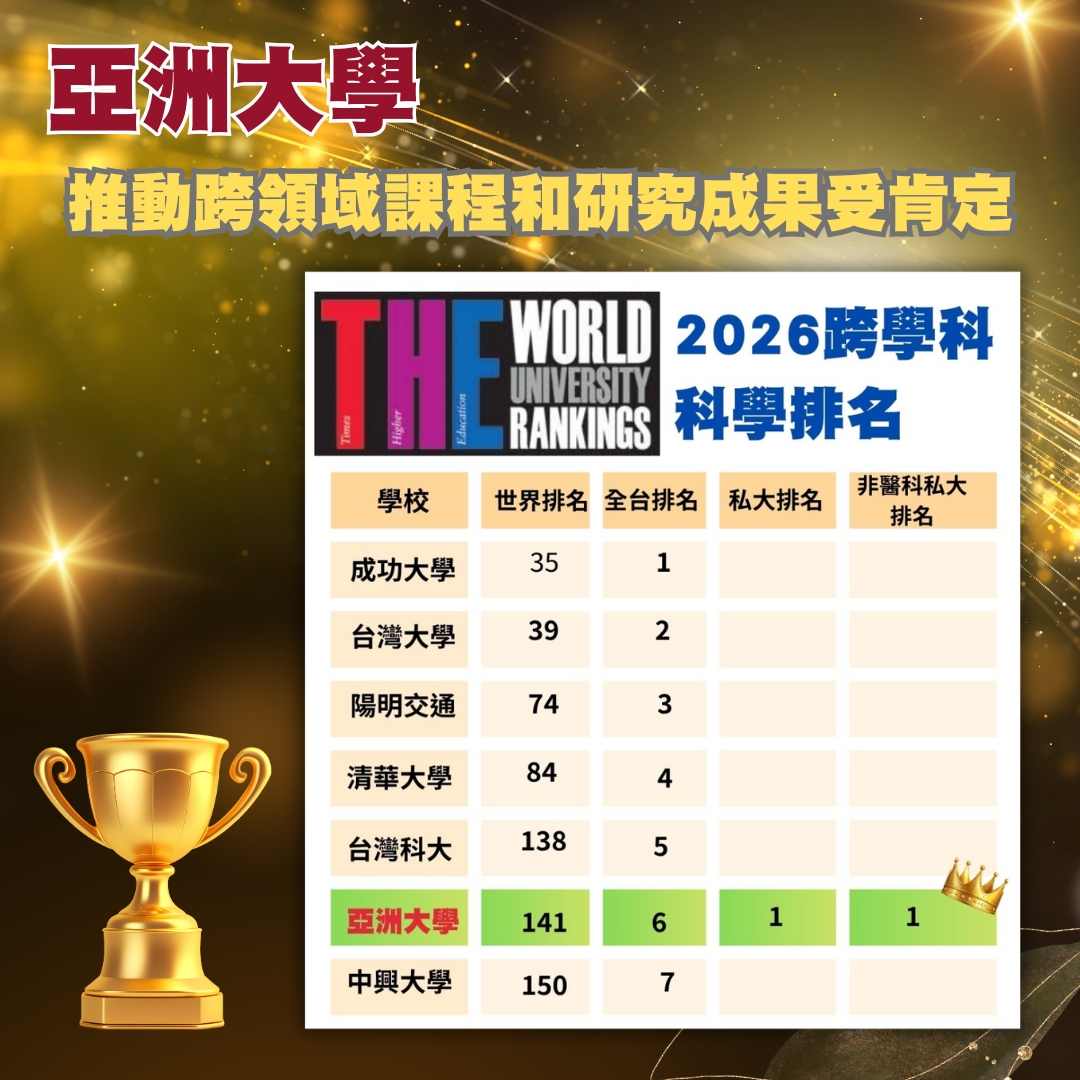
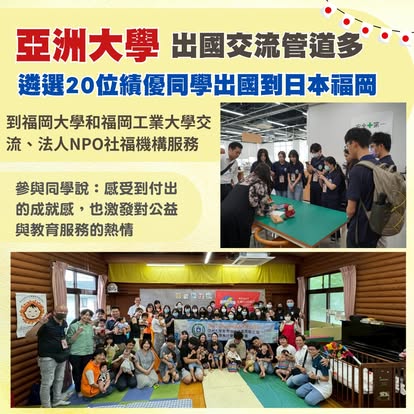
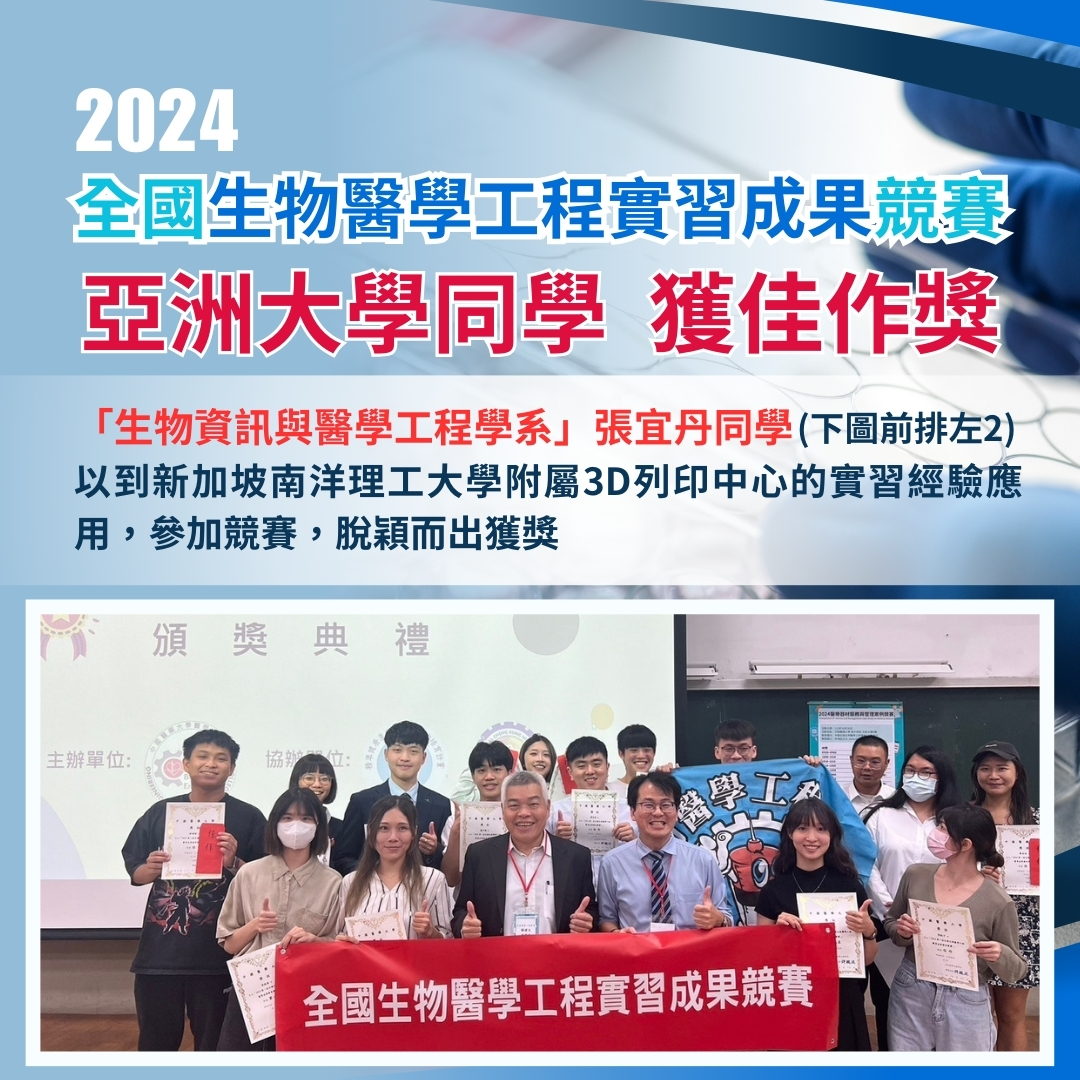
Asia University, home to the Department of Bioinformatics and Medical Engineering, has in recent years earned recognition across multiple international rankings and student achievements. “Healthcare × ICT” is the university's key twin-engine development direction:
Program Highlights: Three Core Specialty Areas
This department integrates bioinformatics and medical engineering, letting you build data analysis, engineering, and biomedical knowledge simultaneously — and through lab work and capstone research, turn what you learn into practical skills applicable in clinical and industry settings:
Medical Device Product Design
- From concept design to actual fabrication, learn advanced manufacturing technologies such as 3D-printed hydrogels, metal medical devices, ceramic medical devices, and textile medical devices.
- Extend into cell printing, wound dressings, cosmetic products, and custom prosthesis design — building real medical products with your own hands.
Biomedical Electronic Systems
- Design wearable devices and surface plasmon sensing technology, and develop biophotonic and ultrasound systems.
- Combine hands-on projects to build the cross-disciplinary integration and R&D capabilities needed for the smart healthcare industry.
Precision Medicine
- Emphasizes data-driven and personalized medical strategy, covering genomic analysis, national health insurance database applications, and drug design.
- Combines medical image analysis, microbiome research, and AI applications to design precision treatment plans.
Founded in AY2002 (Academic Year 91) as the “Graduate Institute of Bioinformatics” — the first of its kind in Taiwan — and renamed the “Department of Bioinformatics and Medical Engineering” in AY2015 (Academic Year 104), this is the only department in Taiwan offering a complete bioinformatics and medical engineering education spanning the bachelor's, master's, executive master's (in-service), and doctoral programs, and also offers an International English Program admitting foreign students.
Offers a 3D Printing Interdisciplinary Program and interdisciplinary learning courses, incorporating artificial intelligence and machine learning into the curriculum to cultivate interdisciplinary talent capable of using AI for medical data analysis, image interpretation, and biomedical informatics processing.
Get to Know Us: Introduction Videos
Haven't had a chance to visit campus yet? Get to know our classrooms, orientation events, and real stories from current students through video first.
Admission Channels (All Programs)
The undergraduate program offers a variety of admission channels — choose the path that best fits your background and preparation. The master's, executive master's (in-service), and doctoral programs have separate admission methods, suited to students who want to continue their studies after completing the bachelor's program.
| Admission Channel | Eligible Applicants | Overview |
|---|---|---|
| Personal Application | Current and past senior high/vocational school graduates | Combines GSAT scores, document review (including the Learning Portfolio), and interview evaluation, emphasizing learning motivation and exploration process. |
| Star Program Admission | Current senior high graduates meeting school-record criteria | Recommended by the school based on GSAT scores and school record, with no interview required, emphasizing consistency of academic performance. |
| Distribution Admission | Applicants taking the Advanced Subjects Test | Placement is based on total distribution-score ranking — a traditional joint-examination-style admission channel. |
| Technological & Vocational Screening / Joint College Entrance Examination | Graduates of relevant vocational high school and 5-year junior college departments | For students from the technical-vocational track; admission is based on Joint Examination scores combined with screening or distribution. |
| Transfer Examination | Current or graduated college/university students | Admits transfer students; quotas and exam subjects are announced separately. |
| International Program / Overseas Chinese & International Students | Eligible international students | This department offers an International English Program admitting foreign students; overseas Chinese and mainland Chinese students are admitted through separate international-student admission methods. |
Exact quotas, eligibility requirements, and screening criteria for each channel are subject to the announcements of the “University Entrance Committee for Screening-Based Admission” and the university's official admissions guide for the given academic year; for admission methods for the master's, executive master's (in-service), and doctoral programs, please refer to the department's Admissions pages.
Admission Calendar Reference
The undergraduate program's general admission cycle roughly follows the schedule below; actual dates are announced annually by the organizing bodies — please always refer to the official admissions guide:
The above is a reference framework for the general annual admission process; correct registration and examination dates are subject to the announcements of the University Entrance Committee for Screening-Based Admission (https://www.uac.edu.tw/) and the Asia University admissions guide for the given academic year.
Undergraduate Curriculum Planning
The undergraduate curriculum is both foundational and in-depth, incorporating interdisciplinary elements so you can build a solid foundation step by step before going deeper into your specialty direction:
College Core Courses
Departmental Core Courses
Precision Medicine Program
Smart Medical Devices Program
In addition to departmental coursework, you can also expand your learning through a double major, a minor, a cross-departmental specialty program, or the 3D Printing Interdisciplinary Program, based on your interests.
→ View the full undergraduate learning map
→ Learn about interdisciplinary learning courses, double majors, and minors
Career Development & Future Paths
Through seamless progression across the complete program structure and hands-on lab training, graduates gain practical competitiveness across a variety of fields:
Biomedical Industry R&D
- R&D and product design positions at medical device and biotech companies
Hospitals & Medical Institutions
- Positions in medical engineering / IT departments and clinical engineering
Information Technology Companies
- Positions such as medical data analyst and AI application engineer
In addition, since this department offers a complete program structure from bachelor's through doctoral level, students may also choose to pursue further studies in Taiwan or abroad for a master's or doctoral degree.
Professional Licenses
To strengthen employment competitiveness and narrow the gap between study and practice, this department encourages students to obtain professional certifications before graduation and offers free preparatory courses:
Students may take the “Medical Informatics Manager” certification and other IT-related certifications; the department offers free preparatory courses to help students prepare.
Students may take the “Medical Engineer” certification; the department offers preparatory classes to help students prepare.
Scholarships & Financial Aid
In addition to the university-wide scholarship system, this department also encourages students to earn work-study stipends by participating in faculty research projects. Specific items include:
Entrance Scholarship
Awarded based on academic performance through admission channels such as Screening-Based Admission and Star Program Admission; awarding criteria are announced in the admissions guide for the given year.
Academic Excellence Scholarship (Dean's List Award)
Awarded based on academic ranking each semester, to encourage students with outstanding academic performance.
Need-Based Grant / Emergency Relief
Available to students facing financial hardship or sudden emergencies.
International Student Scholarship
Scholarship items available to overseas Chinese students, foreign students, and other international students.
For detailed eligibility, amounts, and application deadlines, please contact the department office or refer to relevant announcements from the Asia University Office of Student Affairs.
Frequently Asked Questions
This department integrates biomedical knowledge with engineering/IT technology across three core areas: medical device product design, biomedical electronic systems, and precision medicine. Compared with purely IT-focused departments, we place greater emphasis on biomedical application scenarios and cross-disciplinary integration — a specialized department applying IT “to life sciences and healthcare.”
The curriculum builds a foundation through College Core and Departmental Core courses (covering biology, chemistry, information science, and mathematics), then progresses step by step into the Precision Medicine and Smart Medical Devices specialty programs. As long as you're interested in the field and willing to put in the effort, you can keep up gradually.
Graduates can pursue R&D at biomedical companies, hospitals, or IT companies, or choose to continue their studies in Taiwan or abroad for a master's or doctoral degree. Since this department covers a complete program structure from bachelor's through doctoral level, the pathway for further study is very well-rounded.
Students in the Biomedical Informatics track may take the “Medical Informatics Manager” certification, and students in the Medical Engineering track may take the “Medical Engineer” certification. The department offers free preparatory courses to help students prepare.
This department collaborates with other departments on campus to offer interdisciplinary learning courses, double majors, minors, and cross-departmental specialty programs, and also offers a 3D Printing Interdisciplinary Program, encouraging students to expand their learning based on their interests.
This department offers an International English Program admitting foreign students, and has long promoted international exchange and industry-academia collaboration, providing students with opportunities for overseas exchange, capstone research, and practical industry connections.
Getting Here
Department of Bioinformatics and Medical Engineering, Asia University
No. 500, Liufeng Rd., Wufeng District, Taichung City 41354, Taiwan
Tel|04-23323456 ext. 6193
Email|bioinfo@asia.edu.tw
By car: near the Wufeng System Interchange on National Freeway No. 3. By public transit: take a Taichung city bus, or transfer to a shuttle bus from THSR Wuri Station to Asia University; for detailed routes, please check “Directions” on the Asia University official website.
View on Google Maps →
.png)