
Dear new students and their families,
Welcome to the Department of Bioinformatics and Medical Engineering at Asia University. As artificial intelligence meets biotechnology, medicine is being redefined—and this department exists precisely to cultivate interdisciplinary talent who can read both “data” and “medicine.” Built around four core pillars—bioinformatics, precision medicine, smart healthcare, and medical engineering—we guide students from interpreting genomic and biomedical big data toward intelligent diagnosis, medical device design, and hands-on industry practice, building a complete chain of competencies that spans “laboratory—clinical application—health industry.”
The department offers a full academic ladder from bachelor’s to doctoral degrees, combined with the dual medical-center resources of China Medical University Hospital and Asia University Hospital. The entire program is accredited by IEET (Institute of Engineering Education Taiwan), keeping our teaching quality in step with international standards, and we regularly organize study programs at prestigious universities abroad to broaden our students’ global competitiveness. Through deep industry-academia collaboration that connects directly to real clinical settings, we lay a solid foundation for every student.
The future of medicine belongs not to bystanders, but to those willing to roll up their sleeves and put ideas into practice. We look forward to welcoming students who bring their passion through our doors—so that together we can turn knowledge into capability, innovation into change, and jointly create new value for the future of healthcare.
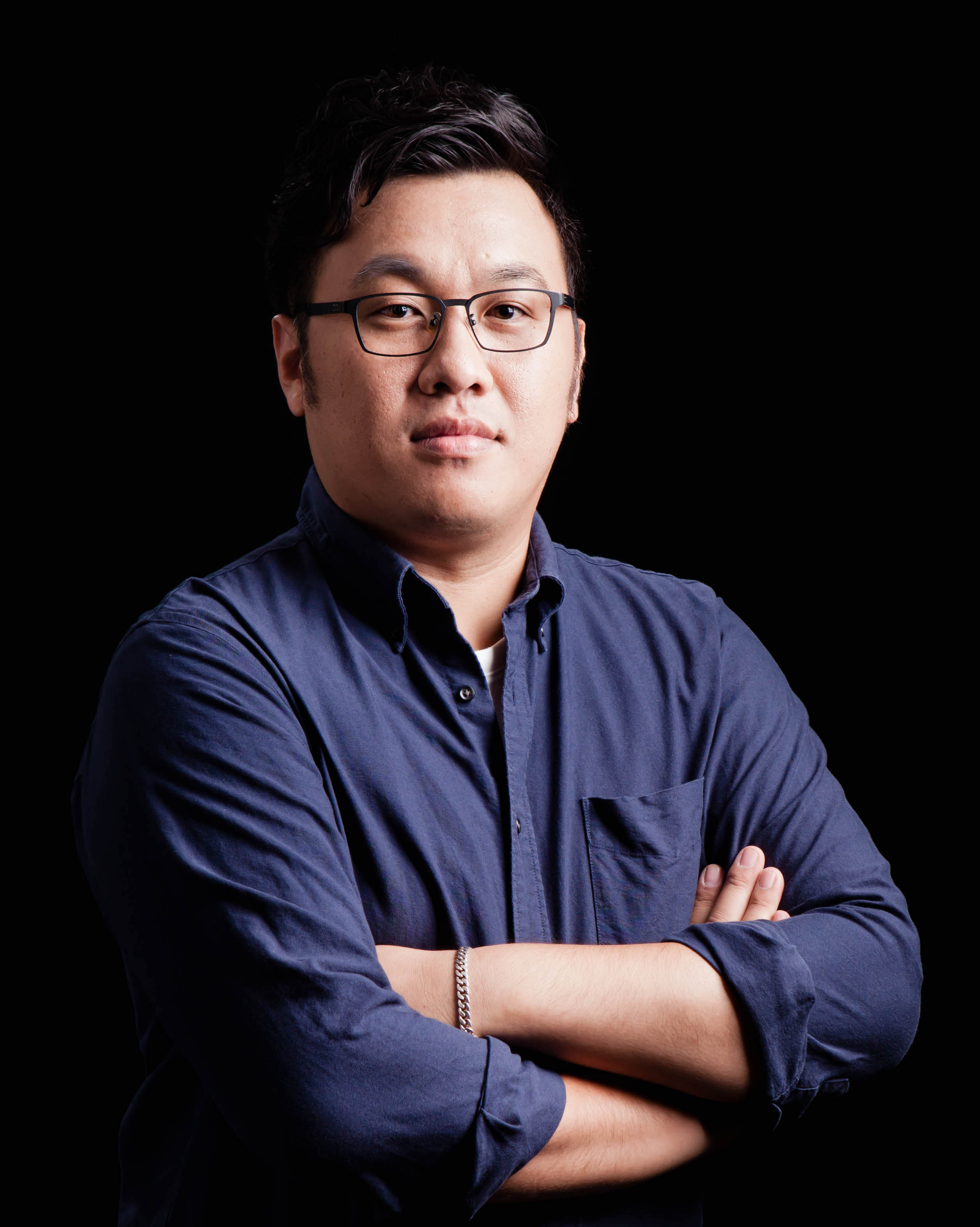
Professor Chao-Neng Wang
Department Chair
Highlights of the Department of Bioinformatics and Medical Engineering
● A Complete Academic Track, All the Way to the Doctoral Level
The department offers a complete academic track from bachelor's and master's through to doctoral studies, providing students with a progressive learning path from fundamentals to advanced expertise. Beyond regular degree programs, we have partnered with industry to launch the "Doctoral Program in the Medical Device Industry," allowing students committed to the medical device sector to connect with real industry practice while still in school — learning by doing, and moving seamlessly into the workforce or advanced R&D upon graduation. Whether aspiring to become a researcher, a clinical technical specialist, or a professional in the medical technology industry, every student can find a development path suited to them within our department.
● Globally Connected, Practice-Driven Research Capacity
We firmly believe that top-tier healthcare talent must possess a global perspective. The department regularly organizes study programs at renowned overseas universities and international academic exchanges, and encourages students to take part in international competitions and cross-border research collaborations to build the ability to engage with the world. Supported by Asia University's abundant international resources and English-taught courses, students are able to step beyond Taiwan and compete alongside peers from around the globe. From the classroom to the international stage, the department paves a growth path for every student that connects directly with the world.
● Integrated Four-Pillar, AI-Driven Signature Programs
Our curriculum is centered on four core areas — bioinformatics, precision medicine, smart healthcare, and medical engineering — and fully integrates artificial intelligence and cloud computing technologies to cultivate cross-disciplinary talent who understand both "data" and "medicine." In addition to the biomedical informatics and medical engineering tracks, we strengthen the application of AI across all four core areas, covering the full skill set from interpreting biomedical big data to intelligent diagnostics and medical device design. Coursework is paired with corporate visits, internships, capstone research projects, and certification guidance, along with comprehensive internship placement and career counseling — enabling students to accumulate real, hands-on clinical experience during their studies.
● Outstanding Faculty and Diverse Internship Sites
Through the China Medical University–Asia University alliance, the department is backed by two affiliated hospitals — China Medical University Hospital and Asia University Hospital — which provide high-quality clinical observation and internship placements, significantly narrowing the gap between academic learning and workplace readiness, so that graduates are job-ready from day one. Beyond these two medical centers, the department maintains broad connections with the medical device and biotech industry, the IT and AI technology sector, as well as research institutes such as ITRI and the National Applied Research Laboratories, offering diverse internship and collaboration opportunities. Students gain experience not only in clinical settings but also on the front lines of industry and R&D, building well-rounded, cross-disciplinary practical experience as a solid foundation for their careers.
Career Outlook and Pathways
Centered on the four core areas of bioinformatics, precision medicine, smart healthcare, and medical engineering, the department cultivates cross-disciplinary talent with both "data capability" and "medical capability." Depending on their interests and strengths, graduates can pursue any of the following four career pathways:
● Bioinformatics|Decoding the Data of Life
Work in genomic and biomedical big-data analysis, bioinformatics software development, and AI algorithm design, joining the R&D and data analytics teams of biotech companies, precision medicine firms, academic research institutes, or pharmaceutical companies.
● Precision Medicine|Treatment Tailored to the Individual
Engage in genetic testing, disease risk prediction, and the development of personalized medication and diagnostic models, working at precision medicine testing companies, medical center research teams, or in new drug development and companion diagnostics.
● Smart Healthcare|Redefining Care with AI
Develop AI-assisted diagnostics, medical image interpretation, clinical decision support, and smart care systems, working at smart healthcare startups, hospital IT departments, cloud and AI technology companies, or in Software as a Medical Device (SaMD) development.
● Medical Engineering|Building Healthcare's Hard Technology
Take on roles in medical device sales, instrument R&D, device design, and regulatory validation, joining medical device manufacturers or agents, or pursuing the Doctoral Program in the Medical Device Industry to become an advanced R&D professional.
